Specialised Support
Tailored to You.
By focusing on what matters most to you, we help build independence, confidence, and meaningful participation in everyday life.
Personalised
✳︎
Specialised
✳︎
Independent
✳︎
Confidence
✳︎
Strength Based
Personalised ✳︎ Specialised ✳︎ Independent ✳︎ Confidence ✳︎ Strength Based
Specialised Support - Tailored to You
ASD/ADHD
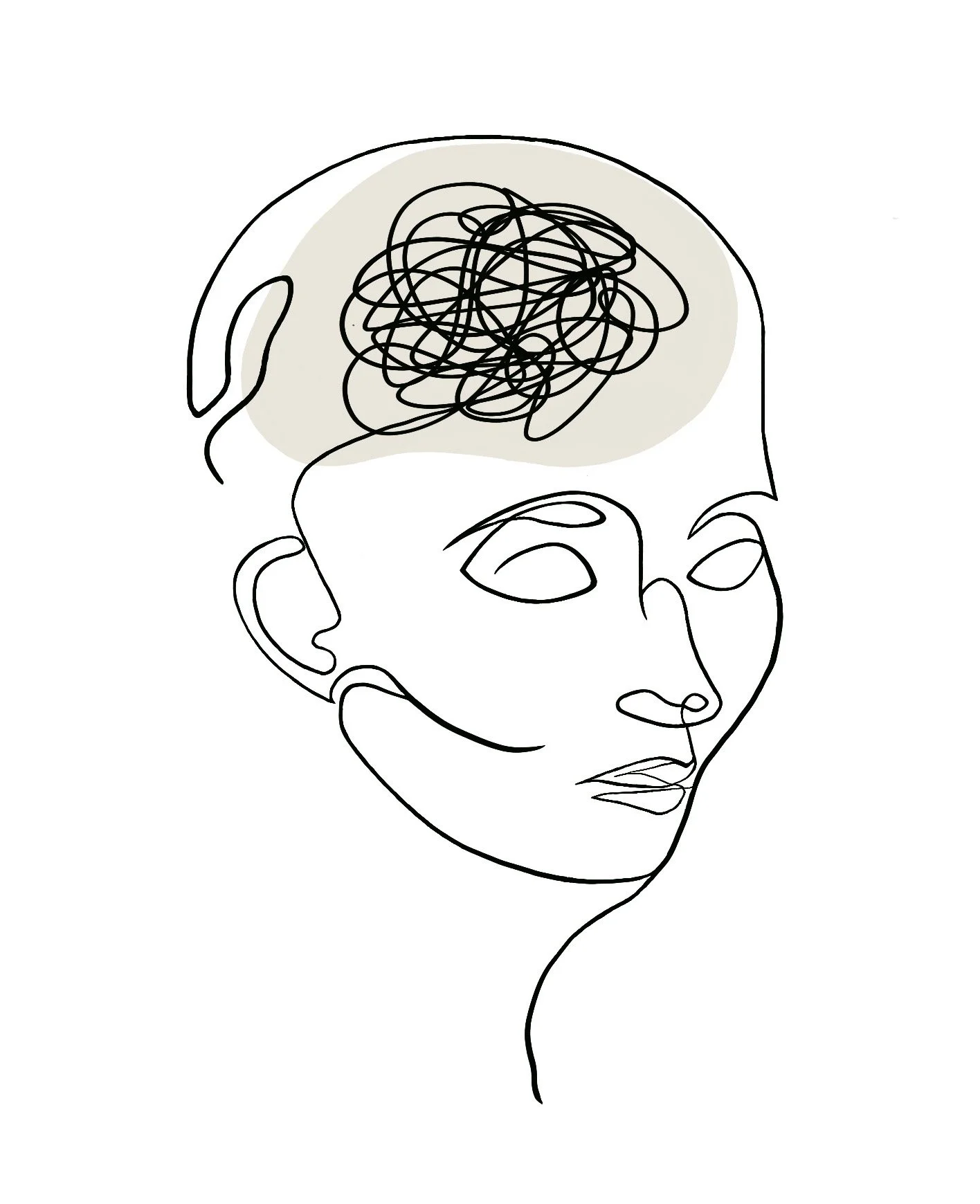
Autism Spectrum Disorder (ASD) is a neurodevelopmental condition that affects how a person communicates, processes information, and interacts with the world around them. It is called a spectrum because it presents differently in every individual.
ADHD is a neurodevelopmental condition that impacts attention regulation, impulse control, executive functioning, and sometimes hyperactivity. It affects both children and adults.
We focus on delivering person-centred, strength-based supports designed to build independence, confidence, and long-term capacity.
Our approach recognises that every participant has unique strengths, goals, and support needs. We work collaboratively to create structured, practical strategies that promote skill development and meaningful participation in everyday life.
Our support approach may include:
Task breakdown and structured routines to make activities manageable and achievable
Visual supports and reminders to promote organisation and follow-through
Assistance with executive functioning skills, including planning, prioritising, and time management
Support with budgeting, study, and daily organisation
Emotional regulation strategies and coping skill development
Encouragement and development of individual strengths and interests
Our goal is not just to provide support, but to build capacity — empowering participants to feel capable, confident, and in control of their daily lives.
Spinal Cord Injury (SCI)
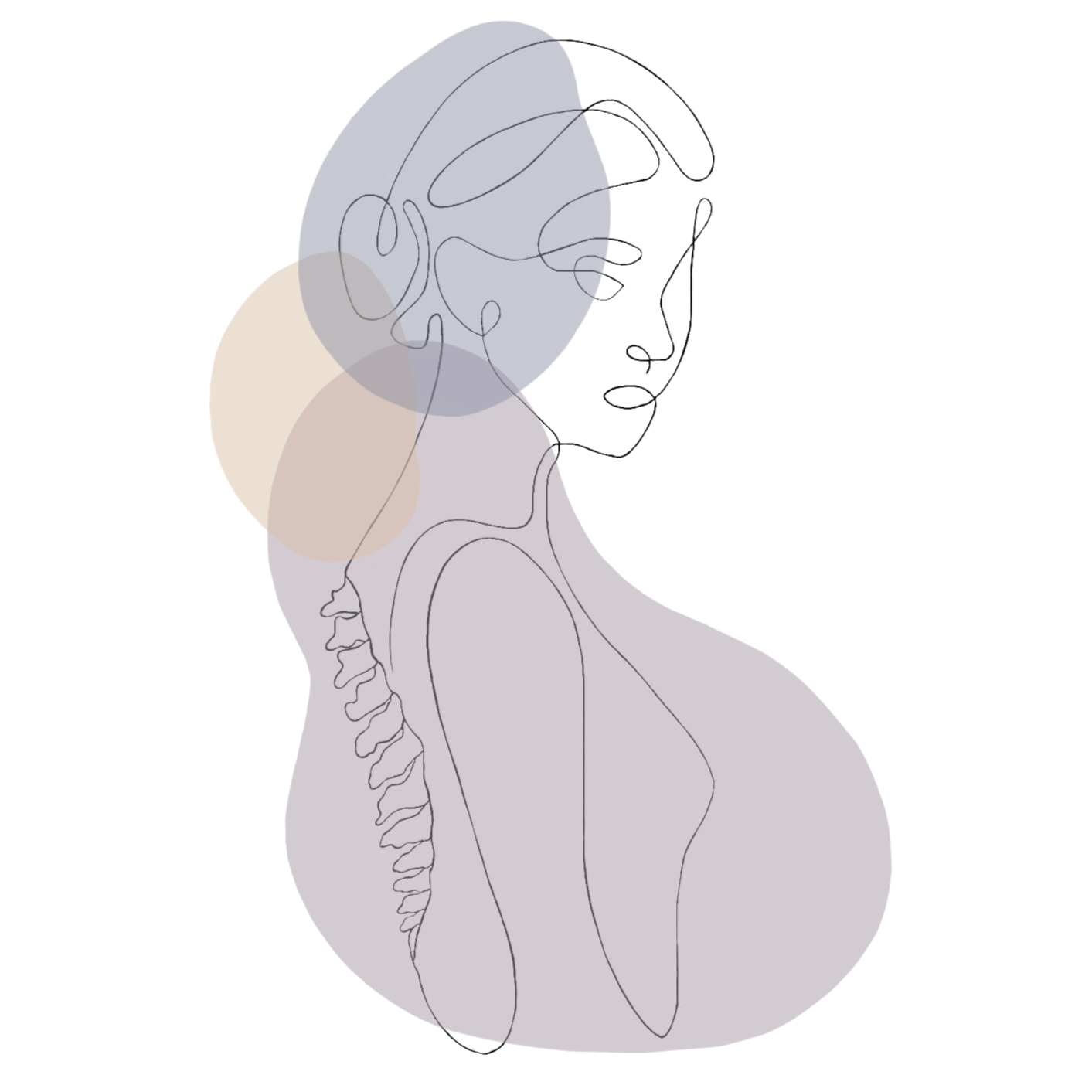
A Spinal Cord Injury (SCI) occurs when damage to the spinal cord disrupts communication between the brain and the body. This can affect movement, sensation, and the function of organs below the level of injury.
We provide person-centred, strength-based supports focused on maximising independence, safety, and community participation.
Our services may include:
Assistance with personal care and activities of daily living
Support with transfers and mobility (including hoists and assistive equipment)
Bowel and bladder routine support
Assistance with pressure care and skin integrity monitoring
Support with community access and social participation
Encouragement of independence through skill-building and adaptive strategies
Collaboration with allied health professionals and clinical teams
We prioritise dignity, autonomy, and participant choice in all aspects of care
Genetic
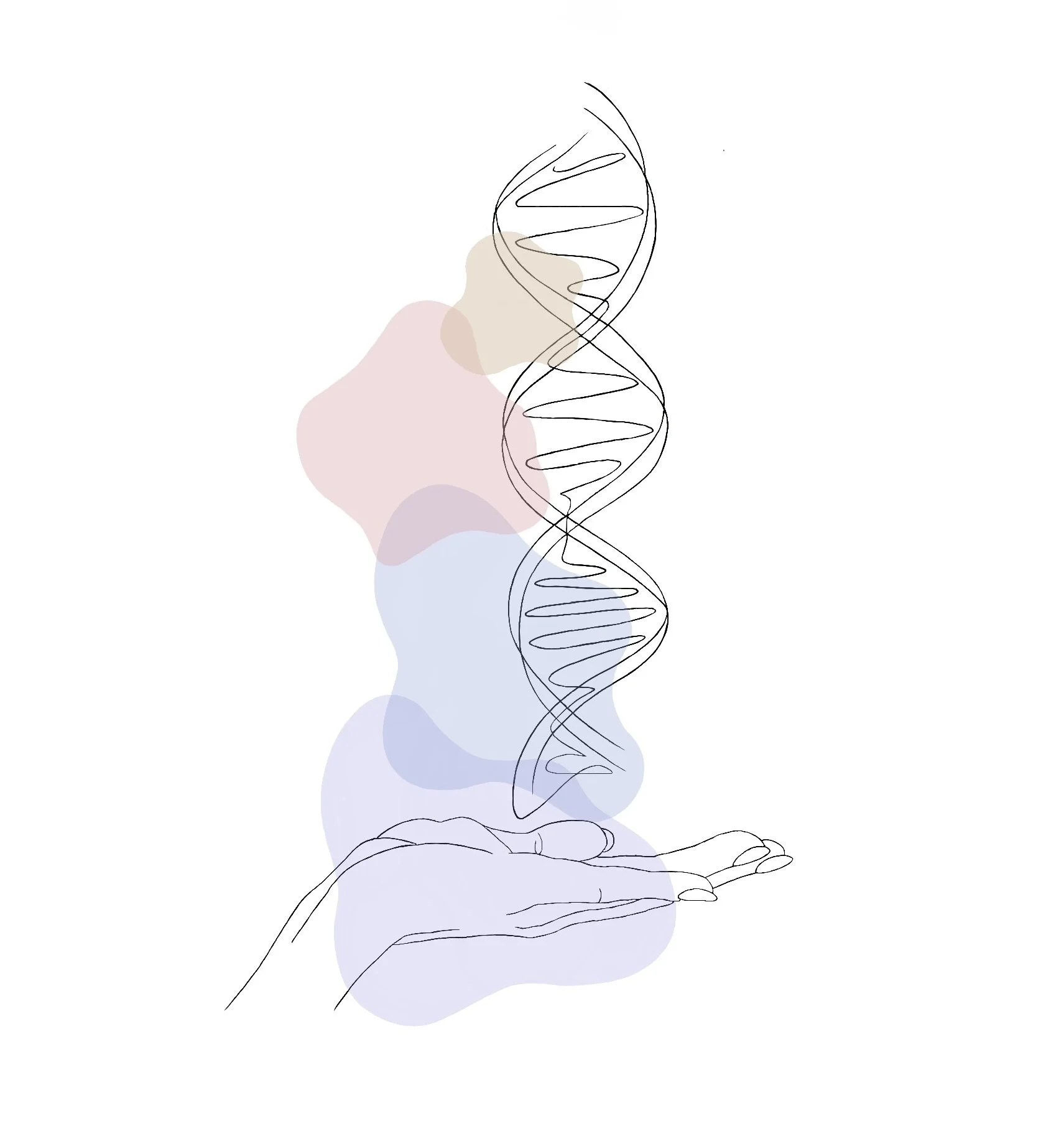
Genetic conditions are disorders caused by changes (mutations or variations) in a person’s DNA. These changes may be inherited from parents or occur spontaneously during development.
Genetic conditions can affect physical health, intellectual development, mobility, communication, behaviour, or a combination of these areas. The presentation varies significantly between individuals, even among people with the same diagnosis.
We provide person-centred, strength-based supports designed to promote independence, confidence, and meaningful participation in everyday life.
Our services may include:
Assistance with daily living skills and personal care
Support with communication and social development
Structured routines and skill-building activities
Collaboration with allied health and medical teams
Assistance with community access and inclusion
Emotional and behavioural regulation support
We work closely with families, carers, and clinical teams to ensure coordinated, respectful, and holistic care that reflects each participant’s goals and preferences.
Neurological Degenerative
Neurological degenerative conditions are progressive disorders that affect the brain, spinal cord, or nerves. Over time, these conditions can lead to a gradual decline in movement, cognition, speech, coordination, or functional independence.
They are typically caused by the deterioration of nerve cells (neurons), which affects how the body communicates and functions. The rate of progression varies significantly between individuals.
Examples of neurological degenerative conditions may include:
Multiple Sclerosis (MS)
Parkinson’s disease
Motor Neurone Disease (MND)
Huntington’s disease
Certain forms of early-onset dementia
Our approach may include:
Assistance with personal care and mobility
Support with transfers and assistive equipment
Energy conservation and pacing strategies
Support with communication and daily routines
Emotional regulation and wellbeing support
Collaboration with allied health professionals and clinical teams
Flexible support plans that adapt as needs change
We focus on maintaining independence wherever possible while ensuring participants feel supported, respected, and empowered.
Autoimmune
Autoimmune conditions occur when the immune system mistakenly attacks the body’s own healthy tissues. Instead of protecting against infection, the immune response targets organs, joints, muscles, nerves, or connective tissue.
These conditions are typically lifelong and may involve periods of flare-ups and remission, meaning symptoms can fluctuate in severity over time.
Autoimmune conditions may include:
Rheumatoid arthritis
Systemic Lupus Erythematosus (lupus)
Multiple sclerosis (MS)
Type 1 diabetes
Crohn’s disease and ulcerative colitis
We provide person-centred, strength-based supports that adapt to fluctuating health needs while promoting independence, dignity, and wellbeing.
Our support approach may include:
Assistance with daily living tasks during flare-ups
Energy conservation and pacing strategies
Support with mobility and fatigue management
Meal preparation and support with specialised dietary needs
Assistance attending medical appointments and therapies
Emotional wellbeing and coping strategy support
Flexible supports that adjust to changing health needs
We recognise the often invisible and unpredictable nature of autoimmune conditions and aim to provide consistent, respectful support that helps participants maintain independence and quality of life.
Motor Related
Motor-related conditions affect a person’s ability to control movement, coordination, posture, and muscle function. These conditions may be present from birth, acquired through injury or illness, or develop over time.
They can impact both fine motor skills (such as writing, buttoning clothing, or using utensils) and gross motor skills (such as walking, balance, and body coordination).
Motor-related conditions may include:
Cerebral palsy
Muscular dystrophy
Acquired brain injury or stroke-related impairments
Dyspraxia (Developmental Coordination Disorder)
Parkinsonian movement disorders
Other neuromuscular conditions
Each condition presents differently and may affect mobility, coordination, strength, and daily functioning.
We provide person-centred, strength-based supports aimed at maximising independence, safety, and participation in everyday life.
Our support approach may include:
Assistance with mobility and transfers
Support using mobility aids and assistive equipment
Help with daily living tasks requiring fine motor skills
Encouragement of independence through adaptive techniques
Fall prevention and safety support
Support accessing community, therapy, and exercise programs
Collaboration with allied health professionals
We focus on enabling participants to move through their daily lives with confidence, dignity, and as much independence as possible.
Let’s Talk
Interested in more information? Want us to contact you?
We’re here to help. Reach out to chat with our friendly local team to discuss how we can help support you.